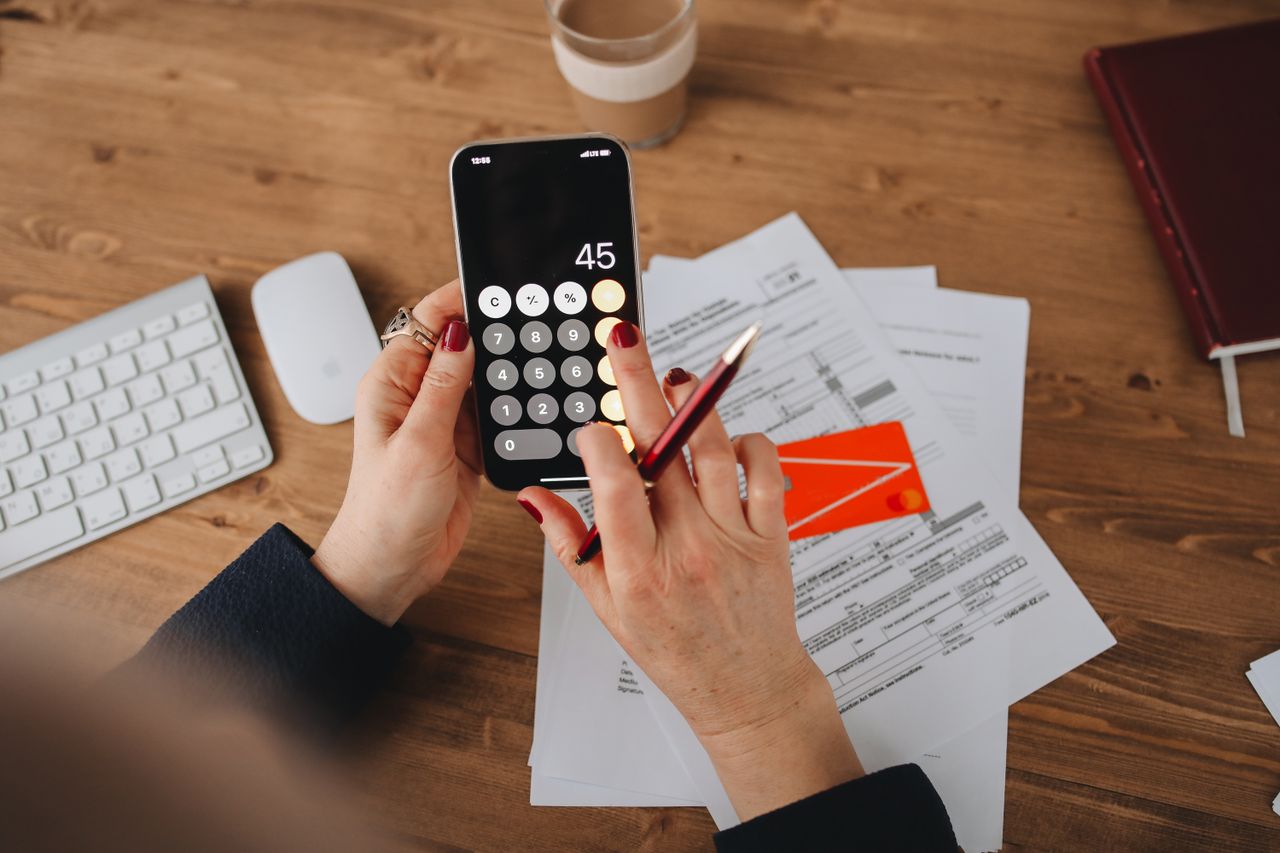
Banking and personal-finance context · Pexels free-use photo
Last updated: September 26, 2026
Rules checked: September 21, 2026
Banking in Korea usually becomes a series of small problems rather than one large problem.
First you need an account. Then you may discover a low transfer limit. The mobile app can fail at identity verification. Later you may need a Korean credit card, send money overseas or receive an international wire.
When you leave Korea, the same system has to be unwound without cutting off access to money that may still arrive later.
This hub is the practical starting point for Korea Actually’s resident-banking guides.
No Korean account yet? Open the bank-account guide.
Transfer limit too low? Check limited accounts.
Bank app or phone verification failing? Go to mobile banking.
Sending or receiving money internationally? Use the remittance guides further down this page.
Banking in Korea at a Glance
Opening an account · Limited-account transfer limits · Mobile banking & phone verification · Rent and domestic transfers · Credit cards · Sending money abroad · Receiving international wires · Closing or keeping an account when leaving Korea
Start Your Korean Bank Account
Use this before your first bank visit. It covers identity documents, proof of banking purpose, Residence Card issues, mobile banking, check cards and what to confirm before leaving the branch.
Use this when the account is open but mobile or ATM transfers are capped. It explains the limited-account system, current general limits and why waiting a few months does not automatically guarantee removal.
Before leaving the branch, check the account in the app, confirm your check card and mobile banking, and ask what your actual transfer limit is.
Use the Account Day to Day
Use this when the bank account works but the app does not. It separates app installation, first login, Korean phone verification, account connection, OTP or certificate problems and device changes.
Use this for rent, recurring payments, ordinary domestic transfers and mistaken transfers. Recipient-name checks and the first recovery action matter when money goes to the wrong account.
Use this after basic banking is established. Korean credit-card approval can depend on income, residence status, financial history and the card company’s own review, so approval should never be treated as automatic.
If Money Has Gone to the Wrong Place
If you simply entered the wrong account or selected the wrong recipient, use the mistaken-transfer route in the Bank Transfers guide .
If you believe you were deceived by voice phishing or another scam, contact the bank and police promptly and ask about payment suspension. Do not wait for the ordinary mistaken-transfer process.
Send or Receive Money Internationally
Use this when Korean earnings need to move overseas. Compare the exchange-rate spread, transfer fee, possible receiving or intermediary fees, limits and the amount that actually reaches the recipient.
Use this before someone sends money to your Korean account. Confirm the exact beneficiary name, bank information and SWIFT details first, then understand why intermediary fees, compliance checks or name mismatches can delay an incoming wire.
When You Leave Korea
Use this before cancelling your Korean phone number or closing the account. Final salary, housing deposits, tax refunds, pension or insurance money may still need somewhere to arrive after your last working day.
Before cancelling your Korean phone, check which bank logins, OTP methods and identity-verification steps still depend on that number. Before closing the account, confirm that all expected payments have a destination.
Tourist Money and Resident Banking Are Different
Tourist and short-term payment questions include foreign cards, cash, ATMs, currency exchange, DCC, hotel holds and payment failures.
This Banking hub begins when you actually operate a Korean bank account: account opening, domestic transfers, apps, credit, remittance and departure.
Keeping those two problems separate prevents a short-term visitor from reading resident-bank procedures they do not need.
Three Rules Make Korean Banking Easier to Understand
A document accepted by one institution or branch should not automatically be treated as a rule for every Korean bank.
2. Financial rules and security controls change.
Transfer limits, foreign-exchange procedures, mobile identity support and anti-fraud controls need dated verification.
3. Another customer’s experience is context, not regulation.
A successful process reported by another foreign resident can help you understand what may happen at a branch, but it does not override the bank’s current requirements.
Deposit Protection: Know the Current Limit
Korea increased the statutory deposit-protection limit on September 1, 2025.
For protected deposits at covered institutions, the current limit is generally ₩100 million per person per financial institution, including principal and applicable protected interest.
This matters because older articles and bank information can still show the former ₩50 million figure.
Related Video: A Different Side of Korean Money
The Bank of Korea Money Museum is cultural context rather than a guide to opening or operating an account. For actual banking decisions, use the bank and official financial sources below.
A visual break at the Bank of Korea Money Museum in Seoul.
Open on YouTube →
Official Starting Points
- Financial Services Commission
- Bank of Korea
- Korea Deposit Insurance Corporation — Financial Safety Portal
- National Law Information Center
Individual bank procedures, customer eligibility, app support and foreign-exchange requirements can differ. Recheck the bank and official source when a decision involves a large transfer, account restriction or another high-impact financial action.
See Every Money, Banking & Tax Guide
For ATMs, tourist payments, tax, pensions and other money questions, continue with the complete Money Banking & Tax category.
Browse all Money Banking & Tax guides →
Related Korea Actually Guides
Korean banking often depends on a Korean phone number and identity verification. If the problem starts with your SIM, phone registration or authentication rather than the bank itself, continue here.
Phone & Digital Life guides →
Residence status and banking are separate systems, but your Residence Card, departure date or immigration status can affect the practical sequence of opening, updating or closing services.
Visa & Immigration guides →
Korea Trends Explained covers K-pop, K-drama and the social and cultural systems behind contemporary Korea.
Korea Trends Explained →
Two Korea Desserts
BLACKPINK — Shut Down
Official music video after the banking paperwork.
Travelling in Seoul
A city-life finish after the banking guide.
About this hub: This page is a curated starting point for Korea Actually’s resident-banking coverage. Individual guides contain their own verification dates, bank-specific caveats, detailed procedures and official sources.